

Recently, the field of aerial surveillance has seen a remarkable transformation, mainly driven by advancements in unmanned aircraft systems and the insights from those who operate these drones. Drone Pilots Inverness Inverness-shire play a vital role in this evolution, bringing their professional background and firsthand experiences to the forefront of aerial operations. As sectors increasingly utilize drones for purposes including realty imaging to accurate land surveying, understanding the details of drone operation becomes important for maximizing efficiency and protection.
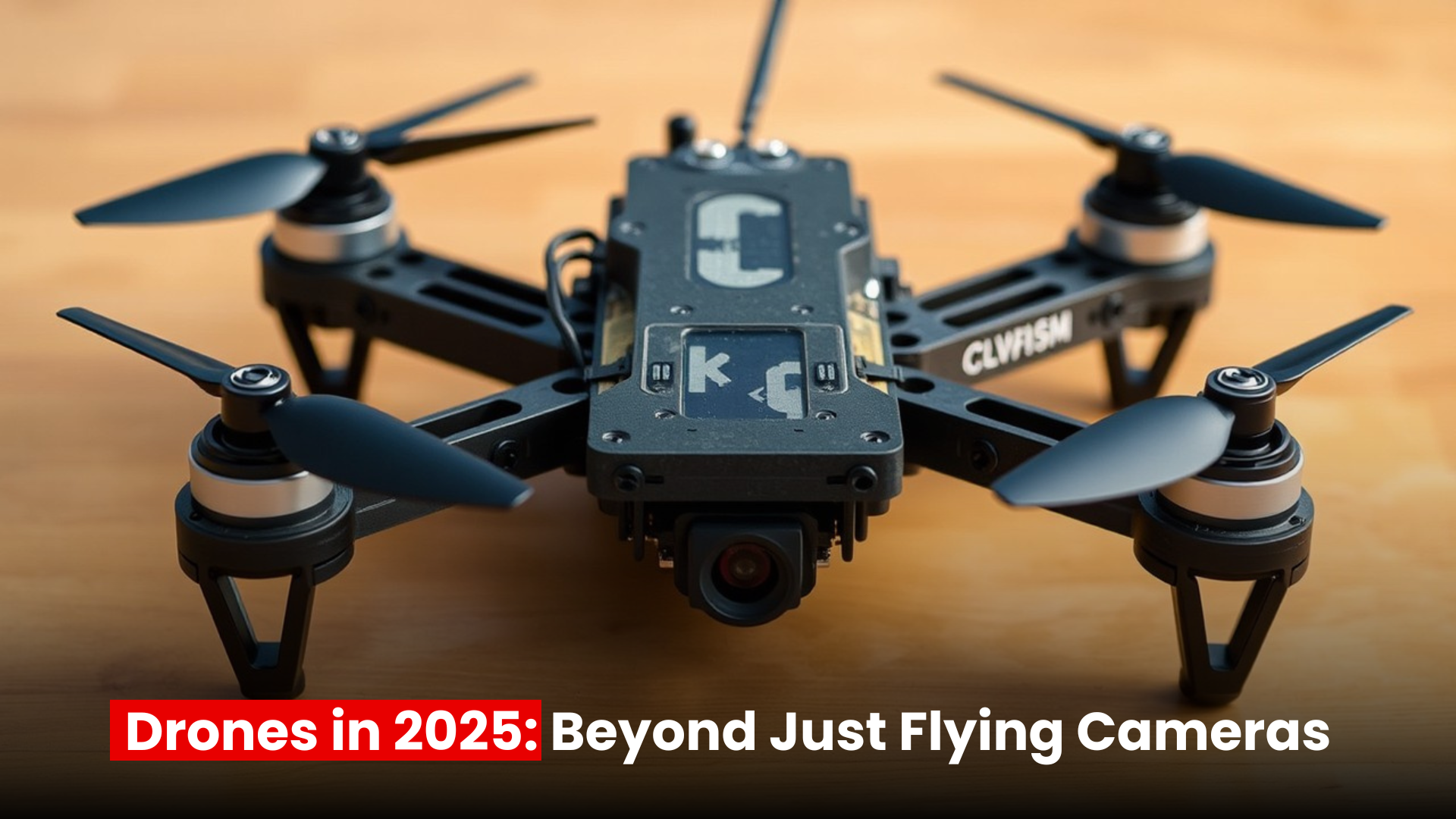
This article explores the different facets of drone piloting that contribute to effective aerial surveillance. We will discuss key topics such as managing FAA Part 107 allowances for night flying, the intricacies of controlled airspace laws, and the distinctions between mechanical and electronic shutters in aerial mapping. By highlighting the skills and capabilities required for successful drone operations, we aim to provide beneficial insights for both aspiring pilots and seasoned professionals looking to enhance their aerial surveillance capabilities.
Understanding FAA Regulations and Waivers
Comprehending FAA guidelines is vital for drone operators operating commercially. The FAA’s Part 107 rules define criteria for operating drones in the U.S., comprising aspects such as operating over people, night operations, and airspace classifications. For those seeking to perform operations beyond the typical rules, securing a waiver is important. Navigating this waiver process requires diligent preparation and adherence to specific requirements set forth by the FAA, such as providing a strong rationale for the request, detailing safety measures, and proving the pilot's experience.
When getting ready to apply for a waiver, it is vital to collect the necessary documentation. Specific details must be submitted regarding the proposed operation, risk assessments, and mitigations for safety concerns. For night flying, pilots must show that their drone is fitted with appropriate lighting, while operations over people may require additional safety protocols. As such, each application should be comprehensive, outlining how the proposed operation will comply with safety standards and contribute to the overall integrity of airspace.
Additionally, comprehending the process of utilizing LAANC (Low Altitude Authorization and Notification Capability) can greatly enhance a pilot's ability to navigate controlled airspace. Pilots must follow the LAANC system to gain instant approval for flying within controlled airspace, understanding the limitations and requirements of their operation. This knowledge not only promotes legal compliance but also ensures safer operations, ultimately contributing to the community's acceptance of drone usage.
Advice for UAV Operations
When navigating aviation guidelines, understanding the rules for after-dark flights and conducting activities near individuals is crucial. Obtaining a Part 107 permit involves providing a thorough safety protocol that addresses potential risks associated with low-light conditions and proximity to individuals. Drone pilots must learn with the specific documentation required to clear controlled airspace, often utilizing the Low Altitude Authorization and Notification Capability (LAANC) platform. This system allows for efficient entry to controlled airspace while ensuring safety and adherence with federal regulations.
Magnetic interference is another major factor that drone pilots must consider, as it can disturb the compass and IMU calibrations of their drones. Pilots should frequently assess for potential origin of magnetic disturbance in their flying environment, especially during precision tasks like photogrammetry. Proper setup processes, including appropriate site selection and follow-up checks, can help mitigate the effects of magnetic disruptions, ensuring correct flight activities that are fundamental for tasks such as mapping and evaluation.
The decision between traditional and electronic shutters is also a key aspect in drone mapping. Mechanical shutters tend to generate clearer images with minimal blur, while electronic shutters can lead to problems like distortion during motion, particularly in fast-moving scenes. Understanding these disparities helps drone pilots select the most suitable camera configuration for specific tasks, such as creating high-quality 3D models or carrying out evaluations, where photographic fidelity directly influences the quality of editing and data analysis.
Best Practices for Professional Drone Pilots
For commercial drone pilots, adherence to FAA rules is crucial. Understanding how to navigate FAA Part 107 waivers for night flying and operations over people can significantly enhance the scope of services offered. Pilots should meticulously gather the specific documentation required to clear controlled airspace using the LAANC system, ensuring compliance and smooth operations. Keeping abreast of any changes in regulations and continuously updating knowledge will help maintain a advantageous edge in this evolving field.
Another critical aspect is the technical competency related to aircraft maintenance and sensor operation. Pilots must recognize the mechanics behind the devices, such as the actual difference between mechanical and electronic shutters in drone mapping. This knowledge not only impacts imaging quality but also determines how different circumstances affect flight tasks, such as how magnetic interference can impact drone compass and IMU calibrations. Keeping the drone in good working condition through regular checks, including the vital process of cleaning and maintaining camera sensors and gimbal bearings, is essential for consistent performance.
Lastly, developing a structured professional flight log is crucial for any business pilot, especially when dealing with insurance requirements. Understanding what drone underwriters look for in a commercial liability insurance policy will help in preparing appropriate files, and keeping a well-documented log can facilitate smoother audits. Also critical is airspace awareness, including how airspace classifications restrict unmanned flight altitudes near regional airports. By following these best practices, commercial drone pilots can successfully enhance security, productivity, and credibility in their operations.